
Matching the tool to the barrier
Reading difficulties are not uniform, so reading technology should not be either. A student with dyslexia who decodes slowly but comprehends well when text is read aloud has different needs than a student with a visual impairment who needs magnification or full text-to-speech, or an English learner who benefits from bilingual support.
Special education teams typically start from an assessment of where the breakdown happens — decoding, fluency, vocabulary, or comprehension — before selecting a tool, rather than choosing a popular product first and fitting the student to it.
Major categories of reading technology
Text-to-speech software converts digital text to audio and is usually built into learning management systems, e-readers, or dedicated apps; it works well for digital worksheets, ebooks, and web content but requires the text to already be digital and accessible.
Screen readers go further, narrating not just text but full interface elements, and are primarily used by students with visual impairments navigating a computer or device.
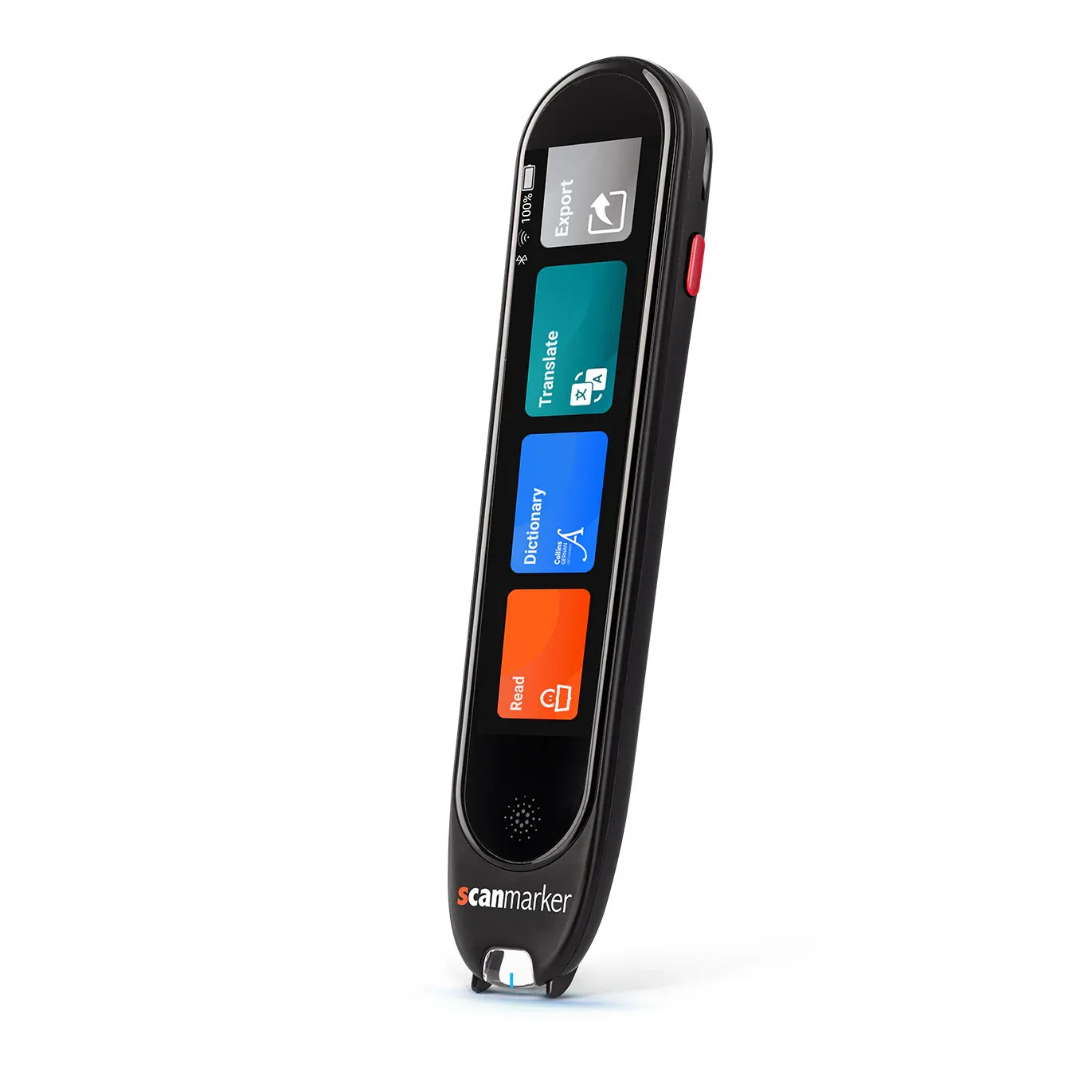
Reading pens and pen scanners are handheld devices that scan printed words or lines and read them aloud, which makes them useful for physical worksheets, printed books, and handouts that have not been digitized — a common gap in classrooms that otherwise rely on digital text-to-speech.
Digital text libraries designed for students with print disabilities provide accessible-format books (audio, large print, or specialized formats) and are often used alongside other tools rather than as a replacement.
Print materials versus digital materials
A frequent planning mistake is selecting a tool that only works for digital text when a student's actual daily barrier is printed handouts, textbooks, and tests. Confirming where the student encounters text in a normal school day should come before choosing a tool.
Using reading technology during assessments
Whether a reading tool can be used during standardized testing depends on the specific test's accommodation policy and whether the tool is documented in the student's IEP or 504 plan ahead of the testing window. Some assessments allow human or digital read-aloud for certain sections but not others.
Because testing accommodation rules vary by state, by test vendor, and sometimes by grade level, teams should confirm current policy with their state testing office or district assessment coordinator well before the testing window rather than assuming a tool that works in class will be approved for a specific test.
Building a reading technology toolkit rather than one solution
Most effective special education reading support comes from having more than one tool available: digital text-to-speech for classwork done on a device, a reading pen or similar handheld tool for print materials, and accessible-format books for independent reading. Relying on a single tool tends to create gaps whenever the format doesn't match.
Districts that build a small toolkit per classroom or per student, rather than a single district-wide standard, generally see better day-to-day usage because the right tool is available for the material at hand.
Scanmarker Max
Best for: Full independence — exam-approved, phonics-ready